
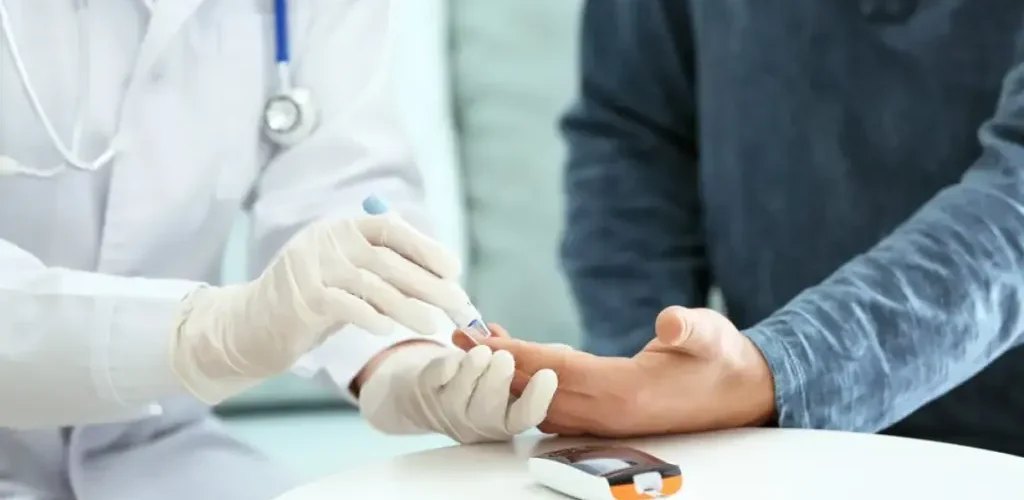
People with diabetes often notice that small cuts, blisters, and sores take much longer to heal than expected. This slow recovery is a common problem, and good diabetic wound care management Thailand can make a real difference in preventing serious complications. Understanding why these wounds linger is the first step toward better outcomes.
Diabetes affects millions of people across the country, and the warm, humid Thai climate adds extra challenges. Heat and moisture create conditions where bacteria thrive, raising the risk of infection in open wounds. This is why diabetic wound care management in Thailand calls for daily attention and a clear routine, especially during the rainy season.
When blood sugar stays high over time, it damages blood vessels and nerves. Poor circulation means wounds receive less oxygen and fewer nutrients, both of which the body needs to repair tissue. Nerve damage, known as neuropathy, reduces sensation in the feet, so small injuries may go unnoticed until they worsen. These combined effects explain why even minor wounds can turn into stubborn ulcers.
Why Diabetic Wounds Heal Slowly
Several factors slow the healing process for people with diabetes:
- Reduced blood flow. Narrowed vessels limit the supply of oxygen and healing cells.
- Nerve damage. Lost feeling in the feet allows injuries to develop without warning.
- Weakened immune response. High glucose levels make it harder for the body to fight infection.
- Higher infection risk. Bacteria spread quickly in warm, damp conditions.
Each of these issues can stack on top of the others, turning a simple sore into a long-term concern.
How to Manage Wounds at Home
Daily care helps wounds heal and lowers the chance of infection. Follow these steps:
- Clean the wound gently with mild soap and clean water.
- Apply a sterile dressing and change it regularly.
- Keep the area dry, which is harder in humid weather but very important.
- Check your feet and skin every day for new cuts, redness, or swelling.
- Avoid walking barefoot, and wear well-fitted shoes to prevent pressure sores.
Controlling blood sugar remains the foundation of recovery. Stable glucose levels give your body the best chance to repair damaged tissue.
When to See a Doctor
Some warning signs need prompt medical attention. Visit a clinic or hospital if you notice:
- Increasing pain, swelling, or warmth around the wound
- Pus or a bad smell
- A wound that does not improve within a week
- Fever or feeling unwell
- Black or darkened skin near the injury
Thailand has a strong network of hospitals and community health centers, and early treatment can prevent infections from spreading or leading to amputation.
Staying Ahead of Complications
Prevention works better than treatment. Regular foot checks, steady blood sugar control, balanced meals, and routine medical visits all reduce risk. Talk with a healthcare provider about a care plan suited to your needs and the local climate.
With consistent habits and timely care, people living with diabetes can manage wounds safely and protect their long-term health.

