
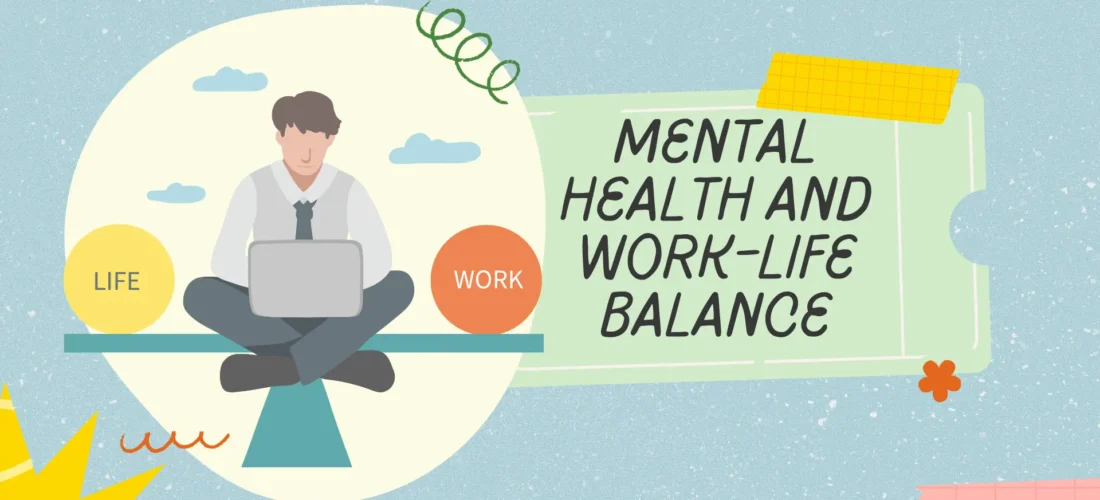
Modern life moves fast. Deadlines stack up, notifications never stop, and productivity is often praised more than personal well-being. In this environment, health can quietly slip to the bottom of the priority list. A health-first mindset reverses that pattern by placing physical, mental, and emotional well-being at the center of daily decisions, without requiring drastic lifestyle changes.
What a Health-First Mindset Really Means
A health-first mindset is not about perfection or rigid routines. It is about intentional choices that support long-term well-being while still allowing flexibility.
At its core, it means:
-
Listening to your body instead of ignoring early warning signs
-
Valuing rest as much as output
-
Making sustainable choices rather than short-term fixes
This mindset treats health as a foundation, not a reward earned after exhaustion.
Why Fast-Paced Living Undermines Health
Constant busyness can create an illusion of progress while quietly draining energy and resilience. Over time, this imbalance can lead to burnout, chronic stress, and preventable health issues.
Common challenges include:
-
Mental overload from constant digital stimulation
-
Skipped meals or poor nutrition due to time pressure
-
Reduced physical movement from long work hours
-
Sleep deprivation normalized as ambition
Recognizing these patterns is the first step toward changing them.
Shifting Priorities Without Slowing Your Life
Adopting a health-first mindset does not require stepping away from responsibilities. Instead, it involves reframing priorities within your existing schedule.
Start With Small, Non-Negotiable Habits
Small actions practiced consistently have a greater impact than ambitious plans that fade quickly.
Examples include:
-
Drinking water before checking your phone in the morning
-
Taking a five-minute stretch break every hour
-
Stepping outside for fresh air once a day
These habits act as anchors in otherwise busy routines.
Redefine Productivity
True productivity includes the ability to sustain energy over time. Overworking may feel productive in the moment, but it often leads to diminishing returns.
A healthier definition of productivity:
-
Accounts for focus, not just hours worked
-
Includes recovery time as part of performance
-
Respects mental clarity as a resource
Building Mental Resilience in Daily Life
Mental health is often the first casualty of a fast-paced lifestyle, yet it is also the most critical for long-term success.
Practice Intentional Pauses
Short pauses help reset the nervous system and prevent stress from accumulating.
Simple ways to pause:
-
Take three slow breaths before starting a new task
-
Pause between meetings instead of rushing immediately to the next one
-
Allow moments of silence during the day
These brief resets improve emotional regulation and focus.
Set Boundaries That Protect Energy
Boundaries are not barriers; they are tools for sustainability.
Effective boundaries may include:
-
Limiting after-hours work communication
-
Scheduling personal time with the same importance as meetings
-
Saying no to commitments that consistently drain energy
Nourishing the Body in a Time-Starved World
Nutrition and movement are often oversimplified, yet they remain central to a health-first approach.
Eat for Support, Not Control
Instead of rigid diets, focus on supportive eating.
Helpful principles:
-
Choose foods that maintain steady energy levels
-
Avoid skipping meals as a time-saving tactic
-
Eat mindfully, even if meals are short
Move in Ways That Fit Your Life
Exercise does not have to be intense to be effective.
Accessible movement options include:
-
Walking meetings or calls
-
Short bodyweight exercises between tasks
-
Gentle stretching before bed
Consistency matters more than intensity.
Making Rest a Strategic Choice
Rest is often mistaken for laziness, yet it is one of the most powerful tools for maintaining health in a demanding world.
Quality rest includes:
-
Prioritizing sleep duration and consistency
-
Taking mental breaks, not just physical ones
-
Allowing guilt-free downtime
Rest strengthens decision-making, immunity, and emotional balance.
Sustaining a Health-First Mindset Long-Term
A health-first mindset is not a one-time decision. It evolves with life circumstances and requires regular reflection.
To sustain it:
-
Check in with your energy levels weekly
-
Adjust habits as responsibilities change
-
Celebrate consistency rather than perfection
Health becomes easier to maintain when it is woven into everyday life instead of treated as a separate project.
Frequently Asked Questions
How long does it take to build a health-first mindset?
Most people notice shifts within a few weeks when small habits are practiced consistently, but long-term change develops gradually over months.
Can a health-first mindset work with a demanding career?
Yes. It is especially valuable in demanding roles because it focuses on sustainability, not reducing ambition.
What if I don’t have time for self-care routines?
Health-first thinking emphasizes micro-habits that fit into existing schedules rather than adding extra tasks.
Is this mindset only about physical health?
No. It equally prioritizes mental, emotional, and physical well-being, recognizing their interconnection.
How do I stay consistent during stressful periods?
During high-stress times, reduce habits to their simplest form instead of abandoning them entirely.
Can technology support a health-first mindset?
When used intentionally, tools like reminders, fitness tracking, or focus apps can reinforce healthy behaviors.
What is the biggest mistake people make when prioritizing health?
Trying to change everything at once, which often leads to burnout rather than sustainable progress.

