
1. What Singapore’s Free Gym Trial Really Tests (And How to Make It Count)
  2. Not All Thai Massage Is the Same Here’s Why
  3. A Closer Look At Modern Regenerative Care
  4. Transforming Mental Health with Cutting-Edge Neurotherapy Techniques
  5. Health Benefits of Indoor Cycling in Singapore: Why It’s a Top Cardio Choice
  6. Where Technology Meets Luxury in Modern Wellness
  7. The Difference Between Supplying Ingredients and Supporting Products
  8. How Yoga Classes Near Me Reduce Injury Risk From Modern Workouts
  9. Emotional Burnout in Women: Signs, Causes, and Recovery
  10. Simple Ways to Help Kids Build Better Oral Care Habits
  11. Healthy Aging for Men: It’s More Than Just Exercise
  12. A Local’s Take on Finding Reliable Massage Spots in the City
  13. Top 5 Things to do on a Weekend Trip to Jomtien
  14. How Burnout Is Redefining Men’s Health in the Digital Age
  15. Creating a Health-First Mindset in a Fast-Paced World
  16. Emotional Eating Triggers and How to Break the Cycle
  17. Blood Clot Disorders: Diagnosis and Long-Term Treatment Strategies
  18. Designing a Workout Routine That Supports Weight Stability
  19. Autoimmune Diseases Explained: How Treatments Calm an Overactive Immune System
  20. How Epidemiological Studies Are Predicting the Next Health Crisis
  21. Helping Children Navigate Stress in Academic Environments
  22. How Breakthrough Gene Therapies Are Redefining Rare Disease Treatment
  23. The Growing Popularity of Non-Surgical Treatments in Bangkok
  24. How Flexibility Training Can Improve Strength and Stability
  25. Helping Children Maintain Emotional Health During School Transitions
  26. HIIT in Small Spaces: Bringing GRIT HIIT to Your Living Room
  27. Eating for Energy: Foods That Prevent Afternoon Crashes
  28. How Exercise Supports Hormonal Balance Naturally
  29. How to Build a Skincare Routine Around Your Lifestyle, Not Trends
  30. Dietary Needs That Change After 40—and How to Adapt
  31. How Sleep Quality Reflects Directly on Your Skin Health
  32. A Closer Look at DVA Assessments for Veterans
  33. Haze Season Ready: Indoor Cycling for Safer Breathing in Singapore
  34. How Thai Clinics Approach Male Fertility Screening
  35. How Yogalates Singapore Combines Strength and Serenity for the Busy Professional
  36. Essential Features to Look for in a Childbirth Package
  37. Expert Insights on Veteran Assistance Programs in Brisbane
  38. Step-by-Step Guide to Menstrual Health Recommended by Experts
  39. The Benefits of Portion Control Backed by Science
  40. What Experts Say About School Health Tips for Long-Term Success
  41. Common Myths About School Health Tips You Didn’t Know
  42. The Benefits of Menstrual Health That Actually Work
  43. Key Factors That Influence a Healthy Metabolism to Add to Your Routine
  44. Key Factors That Influence Prostate Health Recommended by Experts
  45. Daily Habits for a Healthy Metabolism: Expert Recommendations for Long-Term Well-being
  46. Things to Avoid in Plant-Based Eating: Achieving Real Results with Smart Choices
  47. Advanced Strategies for Research Ethics with Real Results
  48. The Science Behind AI in Healthcare: A New Era of Medical Innovation
  49. How to Add Prostate Health to Your Routine: A Holistic Approach to Well-being
  50. The Science Behind Genetic Disorders: Expert Insights and Understanding
  51. Things to Avoid in Natural Skincare Routines for Long-Term Success
  52. How to Exercise Recovery to Try This Year
  53. Key Factors That Influence Heart Risk Factors That Save Time
  54. The Science Behind Preventive Care for Long-Term Success
  55. Daily Habits for Dietary Fibre: A Path to Long-Term Health Success
  56. A Step-by-Step Guide to Emotional Eating Backed by Science
  57. Advanced Strategies for Nutrition for Athletes: Expert Recommendations for Peak Performance
  58. The Science Behind Daily Wellness Routines with Real Results
  59. Understanding Acne Prevention to Add to Your Routine
  60. Step-by-Step Guide to Telemedicine with Real Results
  61. The Future of Medical Breakthroughs You Didn’t Know
  62. How to Build Emotional Resilience to Try This Year
  63. How Early Cancer Detection Saves Time: A Step-by-Step Approach
  64. What Experts Say About Pre-Workout Nutrition Backed by Science
  65. Step-by-Step Guide to Early Cancer Detection with Real Results
  66. What Experts Say About Balanced Meals with Real Results
  67. Why You Should Consider HIIT Workouts Recommended by Experts
  68. Beginner’s Guide to Hydration Tips to Add to Your Routine
  69. The Science Behind Heart Risk Factors Recommended by Experts
  70. Key Factors That Influence Acne Prevention to Add to Your Routine
  71. Advanced Strategies for Natural Remedies Explained Simply
  72. The Future of Cardio Routines Backed by Science
  73. Why You Should Consider Vaccination Schedules Backed by Science
  74. Top 10 Glowing Skin Secrets to Add to Your Routine
  75. Why You Should Consider Work-Life Balance You Didn’t Know
  76. Things to Avoid in Heart Risk Factors to Add to Your Routine
  77. What Experts Say About Allergy Prevention You Didn’t Know
  78. Step-by-Step Guide to Asthma Care You Didn’t Know
  79. How to Research Ethics Backed by Science
  80. The Future of Exercise Recovery to Add to Your Routine
  81. Understanding the Future of Healthcare: Expert Recommendations
  82. Advanced Strategies for Vaccination Schedules Backed by Science
  83. Why You Should Consider Weight Loss Myths Explained Simply
  84. Things to Avoid in Breast Cancer Awareness to Try This Year
  85. A Beginner’s Guide to Nutrition for Athletes: Fueling Performance and Recovery
  86. What Experts Say About Hormonal Balance: Insights and Recommendations
  87. Common Myths About Postpartum Fitness to Try This Year
Friday, April 24, 2026
  1. What Singapore’s Free Gym Trial Really Tests (And How to Make It Count)
  2. Not All Thai Massage Is the Same Here’s Why
  3. A Closer Look At Modern Regenerative Care
  4. Transforming Mental Health with Cutting-Edge Neurotherapy Techniques
  5. Health Benefits of Indoor Cycling in Singapore: Why It’s a Top Cardio Choice
  6. Where Technology Meets Luxury in Modern Wellness
  7. The Difference Between Supplying Ingredients and Supporting Products
  8. How Yoga Classes Near Me Reduce Injury Risk From Modern Workouts
  9. Emotional Burnout in Women: Signs, Causes, and Recovery
  10. Simple Ways to Help Kids Build Better Oral Care Habits
  11. Healthy Aging for Men: It’s More Than Just Exercise
  12. A Local’s Take on Finding Reliable Massage Spots in the City
  13. Top 5 Things to do on a Weekend Trip to Jomtien
  14. How Burnout Is Redefining Men’s Health in the Digital Age
  15. Creating a Health-First Mindset in a Fast-Paced World
  16. Emotional Eating Triggers and How to Break the Cycle
  17. Blood Clot Disorders: Diagnosis and Long-Term Treatment Strategies
  18. Designing a Workout Routine That Supports Weight Stability
  19. Autoimmune Diseases Explained: How Treatments Calm an Overactive Immune System
  20. How Epidemiological Studies Are Predicting the Next Health Crisis
  21. Helping Children Navigate Stress in Academic Environments
  22. How Breakthrough Gene Therapies Are Redefining Rare Disease Treatment
  23. The Growing Popularity of Non-Surgical Treatments in Bangkok
  24. How Flexibility Training Can Improve Strength and Stability
  25. Helping Children Maintain Emotional Health During School Transitions
  26. HIIT in Small Spaces: Bringing GRIT HIIT to Your Living Room
  27. Eating for Energy: Foods That Prevent Afternoon Crashes
  28. How Exercise Supports Hormonal Balance Naturally
  29. How to Build a Skincare Routine Around Your Lifestyle, Not Trends
  30. Dietary Needs That Change After 40—and How to Adapt
  31. How Sleep Quality Reflects Directly on Your Skin Health
  32. A Closer Look at DVA Assessments for Veterans
  33. Haze Season Ready: Indoor Cycling for Safer Breathing in Singapore
  34. How Thai Clinics Approach Male Fertility Screening
  35. How Yogalates Singapore Combines Strength and Serenity for the Busy Professional
  36. Essential Features to Look for in a Childbirth Package
  37. Expert Insights on Veteran Assistance Programs in Brisbane
  38. Step-by-Step Guide to Menstrual Health Recommended by Experts
  39. The Benefits of Portion Control Backed by Science
  40. What Experts Say About School Health Tips for Long-Term Success
  41. Common Myths About School Health Tips You Didn’t Know
  42. The Benefits of Menstrual Health That Actually Work
  43. Key Factors That Influence a Healthy Metabolism to Add to Your Routine
  44. Key Factors That Influence Prostate Health Recommended by Experts
  45. Daily Habits for a Healthy Metabolism: Expert Recommendations for Long-Term Well-being
  46. Things to Avoid in Plant-Based Eating: Achieving Real Results with Smart Choices
  47. Advanced Strategies for Research Ethics with Real Results
  48. The Science Behind AI in Healthcare: A New Era of Medical Innovation
  49. How to Add Prostate Health to Your Routine: A Holistic Approach to Well-being
  50. The Science Behind Genetic Disorders: Expert Insights and Understanding
  51. Things to Avoid in Natural Skincare Routines for Long-Term Success
  52. How to Exercise Recovery to Try This Year
  53. Key Factors That Influence Heart Risk Factors That Save Time
  54. The Science Behind Preventive Care for Long-Term Success
  55. Daily Habits for Dietary Fibre: A Path to Long-Term Health Success
  56. A Step-by-Step Guide to Emotional Eating Backed by Science
  57. Advanced Strategies for Nutrition for Athletes: Expert Recommendations for Peak Performance
  58. The Science Behind Daily Wellness Routines with Real Results
  59. Understanding Acne Prevention to Add to Your Routine
  60. Step-by-Step Guide to Telemedicine with Real Results
  61. The Future of Medical Breakthroughs You Didn’t Know
  62. How to Build Emotional Resilience to Try This Year
  63. How Early Cancer Detection Saves Time: A Step-by-Step Approach
  64. What Experts Say About Pre-Workout Nutrition Backed by Science
  65. Step-by-Step Guide to Early Cancer Detection with Real Results
  66. What Experts Say About Balanced Meals with Real Results
  67. Why You Should Consider HIIT Workouts Recommended by Experts
  68. Beginner’s Guide to Hydration Tips to Add to Your Routine
  69. The Science Behind Heart Risk Factors Recommended by Experts
  70. Key Factors That Influence Acne Prevention to Add to Your Routine
  71. Advanced Strategies for Natural Remedies Explained Simply
  72. The Future of Cardio Routines Backed by Science
  73. Why You Should Consider Vaccination Schedules Backed by Science
  74. Top 10 Glowing Skin Secrets to Add to Your Routine
  75. Why You Should Consider Work-Life Balance You Didn’t Know
  76. Things to Avoid in Heart Risk Factors to Add to Your Routine
  77. What Experts Say About Allergy Prevention You Didn’t Know
  78. Step-by-Step Guide to Asthma Care You Didn’t Know
  79. How to Research Ethics Backed by Science
  80. The Future of Exercise Recovery to Add to Your Routine
  81. Understanding the Future of Healthcare: Expert Recommendations
  82. Advanced Strategies for Vaccination Schedules Backed by Science
  83. Why You Should Consider Weight Loss Myths Explained Simply
  84. Things to Avoid in Breast Cancer Awareness to Try This Year
  85. A Beginner’s Guide to Nutrition for Athletes: Fueling Performance and Recovery
  86. What Experts Say About Hormonal Balance: Insights and Recommendations
  87. Common Myths About Postpartum Fitness to Try This Year
How Sleep Quality Reflects Directly on Your Skin Health

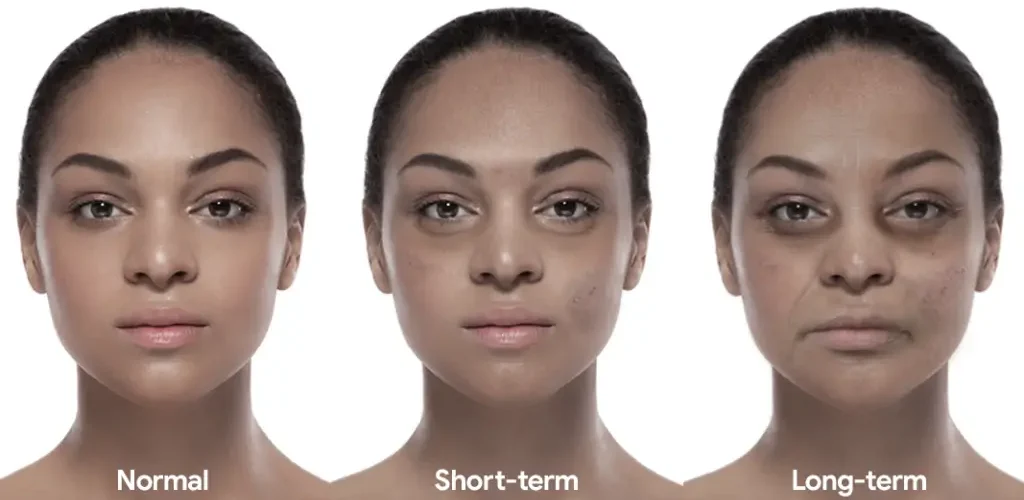
Healthy skin is not built by skincare products alone. Sleep quality plays a direct, measurable role in how your skin repairs, protects, and renews itself. When sleep is deep and consistent, the skin functions optimally. When it’s disrupted or shortened, the effects often appear quickly—dullness, breakouts, fine lines, and sensitivity.

The Skin–Sleep Connection Explained

Sleep is the body’s most powerful restorative state. During this time, your skin switches from defense mode to repair mode.

Key nighttime processes include:

  • Cell regeneration, replacing damaged skin cells

  • DNA repair, reversing daily environmental stress

  • Collagen production, maintaining firmness and elasticity

  • Barrier strengthening, reducing moisture loss and irritation

Poor sleep interrupts these processes, leaving skin vulnerable and slower to recover.

What Happens to Your Skin During Deep Sleep

The most skin-repairing phase of sleep occurs during deep non-REM sleep.

During this stage:

  • Blood flow to the skin increases, delivering oxygen and nutrients

  • Growth hormone release accelerates tissue repair

  • Inflammation levels drop, calming redness and sensitivity

This is why consistent, uninterrupted sleep often results in brighter, smoother skin by morning.

Visible Skin Issues Linked to Poor Sleep

Chronic sleep deprivation doesn’t stay hidden for long. The skin often shows the first signs.

Common effects include:

  • Dark circles and puffiness from impaired circulation

  • Breakouts, due to increased cortisol and oil production

  • Fine lines, caused by reduced collagen synthesis

  • Dull complexion, from slower cell turnover

  • Heightened sensitivity, as the skin barrier weakens

Even one short night can make skin look fatigued, but repeated poor sleep compounds the damage.

Cortisol, Stress, and Skin Aging

When sleep is insufficient, the body produces more cortisol, the primary stress hormone.

Elevated cortisol:

  • Breaks down collagen and elastin

  • Triggers inflammation that worsens acne and redness

  • Slows wound healing and scar recovery

Over time, this hormonal imbalance accelerates premature aging, making skin appear thinner and less resilient.

Sleep and Skin Hydration Levels

Quality sleep directly affects skin moisture retention.

During sleep:

  • The skin’s barrier rebuilds itself

  • Water loss through the skin decreases

  • Natural moisturizing factors rebalance

With poor sleep, the skin loses moisture faster, leading to dryness, flakiness, and a tight feeling—even if you use hydrating products.

Why Nighttime Skincare Works Better With Good Sleep

Skincare products are most effective when applied before sleep, but their performance depends on sleep quality.

Good sleep:

  • Enhances ingredient absorption

  • Supports active ingredient repair functions

  • Reduces overnight inflammation

Without proper rest, even high-quality skincare struggles to deliver visible results.

How to Improve Sleep for Better Skin Health

Improving skin often starts with improving sleep habits.

Practical steps that support both sleep and skin:

  • Maintain a consistent sleep schedule

  • Limit blue light exposure before bedtime

  • Keep the bedroom cool and dark

  • Avoid caffeine late in the day

  • Cleanse skin gently before bed to reduce irritation

These changes strengthen the body’s natural overnight repair cycle.

Long-Term Benefits of Quality Sleep for Skin

When sleep becomes a priority, skin improvements are not just cosmetic—they’re structural.

Over time, quality sleep leads to:

  • More even skin tone

  • Improved elasticity and firmness

  • Fewer breakouts and flare-ups

  • Stronger resistance to environmental damage

Sleep acts as a foundation, making all other skin-care efforts more effective.

Frequently Asked Questions

How many hours of sleep does skin need to repair itself properly?

Most skin repair processes function best with 7–9 hours of uninterrupted sleep each night.

Can poor sleep permanently damage skin?

Occasional poor sleep causes temporary effects, but chronic sleep deprivation can accelerate long-term aging and weaken skin structure.

Does sleeping position affect skin health?

Yes. Sleeping face-down or on one side consistently can contribute to sleep lines and uneven pressure on the skin.

Can naps replace nighttime sleep for skin benefits?

Short naps help reduce fatigue, but they do not fully replace the deep repair stages of nighttime sleep.

Is beauty sleep a myth or real science?

It’s real. The term reflects genuine biological processes that occur during sleep and directly impact skin quality.

Does poor sleep worsen existing skin conditions?

Yes. Conditions like acne, eczema, and rosacea often flare up more when sleep quality declines.

How quickly can skin improve after better sleep habits?

Visible improvements such as reduced puffiness and brighter tone can appear within one to two weeks of consistent quality sleep.