
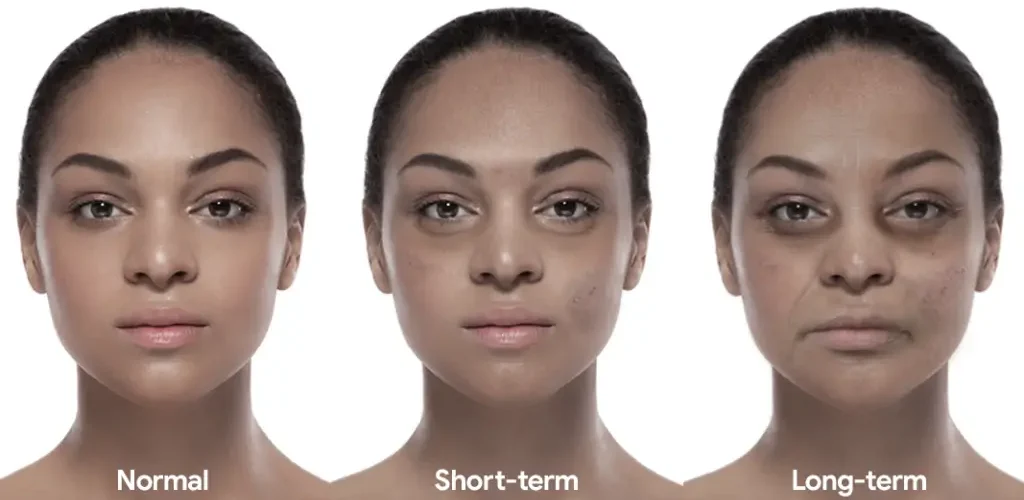
Healthy skin is not built by skincare products alone. Sleep quality plays a direct, measurable role in how your skin repairs, protects, and renews itself. When sleep is deep and consistent, the skin functions optimally. When it’s disrupted or shortened, the effects often appear quickly—dullness, breakouts, fine lines, and sensitivity.
The Skin–Sleep Connection Explained
Sleep is the body’s most powerful restorative state. During this time, your skin switches from defense mode to repair mode.
Key nighttime processes include:
-
Cell regeneration, replacing damaged skin cells
-
DNA repair, reversing daily environmental stress
-
Collagen production, maintaining firmness and elasticity
-
Barrier strengthening, reducing moisture loss and irritation
Poor sleep interrupts these processes, leaving skin vulnerable and slower to recover.
What Happens to Your Skin During Deep Sleep
The most skin-repairing phase of sleep occurs during deep non-REM sleep.
During this stage:
-
Blood flow to the skin increases, delivering oxygen and nutrients
-
Growth hormone release accelerates tissue repair
-
Inflammation levels drop, calming redness and sensitivity
This is why consistent, uninterrupted sleep often results in brighter, smoother skin by morning.
Visible Skin Issues Linked to Poor Sleep
Chronic sleep deprivation doesn’t stay hidden for long. The skin often shows the first signs.
Common effects include:
-
Dark circles and puffiness from impaired circulation
-
Breakouts, due to increased cortisol and oil production
-
Fine lines, caused by reduced collagen synthesis
-
Dull complexion, from slower cell turnover
-
Heightened sensitivity, as the skin barrier weakens
Even one short night can make skin look fatigued, but repeated poor sleep compounds the damage.
Cortisol, Stress, and Skin Aging
When sleep is insufficient, the body produces more cortisol, the primary stress hormone.
Elevated cortisol:
-
Breaks down collagen and elastin
-
Triggers inflammation that worsens acne and redness
-
Slows wound healing and scar recovery
Over time, this hormonal imbalance accelerates premature aging, making skin appear thinner and less resilient.
Sleep and Skin Hydration Levels
Quality sleep directly affects skin moisture retention.
During sleep:
-
The skin’s barrier rebuilds itself
-
Water loss through the skin decreases
-
Natural moisturizing factors rebalance
With poor sleep, the skin loses moisture faster, leading to dryness, flakiness, and a tight feeling—even if you use hydrating products.
Why Nighttime Skincare Works Better With Good Sleep
Skincare products are most effective when applied before sleep, but their performance depends on sleep quality.
Good sleep:
-
Enhances ingredient absorption
-
Supports active ingredient repair functions
-
Reduces overnight inflammation
Without proper rest, even high-quality skincare struggles to deliver visible results.
How to Improve Sleep for Better Skin Health
Improving skin often starts with improving sleep habits.
Practical steps that support both sleep and skin:
-
Maintain a consistent sleep schedule
-
Limit blue light exposure before bedtime
-
Keep the bedroom cool and dark
-
Avoid caffeine late in the day
-
Cleanse skin gently before bed to reduce irritation
These changes strengthen the body’s natural overnight repair cycle.
Long-Term Benefits of Quality Sleep for Skin
When sleep becomes a priority, skin improvements are not just cosmetic—they’re structural.
Over time, quality sleep leads to:
-
More even skin tone
-
Improved elasticity and firmness
-
Fewer breakouts and flare-ups
-
Stronger resistance to environmental damage
Sleep acts as a foundation, making all other skin-care efforts more effective.
Frequently Asked Questions
How many hours of sleep does skin need to repair itself properly?
Most skin repair processes function best with 7–9 hours of uninterrupted sleep each night.
Can poor sleep permanently damage skin?
Occasional poor sleep causes temporary effects, but chronic sleep deprivation can accelerate long-term aging and weaken skin structure.
Does sleeping position affect skin health?
Yes. Sleeping face-down or on one side consistently can contribute to sleep lines and uneven pressure on the skin.
Can naps replace nighttime sleep for skin benefits?
Short naps help reduce fatigue, but they do not fully replace the deep repair stages of nighttime sleep.
Is beauty sleep a myth or real science?
It’s real. The term reflects genuine biological processes that occur during sleep and directly impact skin quality.
Does poor sleep worsen existing skin conditions?
Yes. Conditions like acne, eczema, and rosacea often flare up more when sleep quality declines.
How quickly can skin improve after better sleep habits?
Visible improvements such as reduced puffiness and brighter tone can appear within one to two weeks of consistent quality sleep.

