
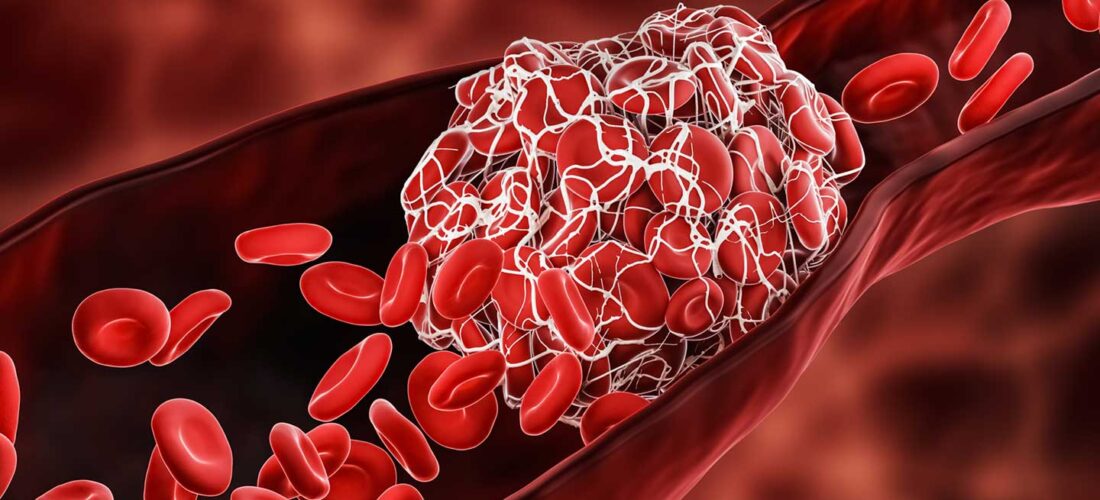
Blood clot disorders, also known as thrombotic disorders, occur when the body’s natural balance between clot formation and clot breakdown is disrupted. While clotting is essential to prevent excessive bleeding, abnormal clot formation can block blood vessels, restrict oxygen delivery, and lead to life-threatening complications. Understanding how these conditions are diagnosed and managed over the long term is crucial for reducing recurrence and improving quality of life.
Understanding Blood Clot Disorders
Blood clots can develop in arteries or veins, each carrying different risks and consequences.
Common Types of Blood Clots
-
Deep vein thrombosis (DVT): Clots forming in deep veins, usually in the legs
-
Pulmonary embolism (PE): A clot that travels to the lungs, often originating from a DVT
-
Arterial thrombosis: Clots in arteries that may lead to stroke or heart attack
-
Inherited clotting disorders: Genetic conditions that increase clotting tendency
These disorders may develop suddenly or progress silently, making timely diagnosis essential.
Risk Factors and Causes
Blood clot disorders rarely result from a single cause. Instead, they arise from a combination of genetic, medical, and lifestyle factors.
Key Risk Factors
-
Prolonged immobility, such as long flights or bed rest
-
Surgery or trauma, especially orthopedic procedures
-
Cancer and chemotherapy
-
Hormonal influences, including pregnancy or oral contraceptives
-
Inherited thrombophilia, such as factor V Leiden mutation
Age, smoking, obesity, and chronic illnesses further increase susceptibility.
Diagnostic Approaches for Blood Clot Disorders
Accurate diagnosis relies on a careful evaluation of symptoms, medical history, and targeted testing.
Clinical Assessment
Healthcare providers begin with a detailed history and physical examination, paying attention to:
-
Limb swelling, pain, or discoloration
-
Sudden shortness of breath or chest pain
-
Family history of clotting disorders
Laboratory Testing
Blood tests help evaluate clotting activity and underlying causes:
-
D-dimer test to detect active clot breakdown
-
Coagulation panels assessing clotting time
-
Genetic testing for inherited clotting abnormalities
Imaging Studies
Imaging confirms the presence and location of clots:
-
Ultrasound for suspected DVT
-
CT pulmonary angiography for pulmonary embolism
-
MRI or angiography in complex or recurrent cases
Acute Management of Blood Clots
Immediate treatment focuses on preventing clot growth and reducing the risk of complications.
Initial Treatment Options
-
Anticoagulant medications to slow clot formation
-
Thrombolytic therapy in severe or life-threatening cases
-
Inferior vena cava filters when anticoagulation is not possible
Early intervention significantly lowers mortality and long-term damage.
Long-Term Treatment Strategies
Long-term management aims to prevent recurrence while minimizing bleeding risk.
Anticoagulant Therapy
Long-term anticoagulation is the cornerstone of treatment for many patients.
-
Vitamin K antagonists, such as warfarin
-
Direct oral anticoagulants (DOACs) with fixed dosing
-
Low molecular weight heparin in selected populations
Treatment duration may range from months to lifelong therapy, depending on risk factors.
Monitoring and Follow-Up
Regular follow-up ensures therapy remains safe and effective.
-
Periodic blood tests for dose adjustment
-
Assessment of bleeding risk
-
Ongoing evaluation of recurrence risk
Lifestyle and Preventive Measures
Non-pharmacological strategies play a vital role in long-term care.
-
Regular physical activity to improve circulation
-
Weight management and smoking cessation
-
Compression stockings for chronic venous symptoms
-
Adequate hydration during travel or illness
Living With a Blood Clot Disorder
With appropriate management, most individuals lead full and active lives. Education, medication adherence, and awareness of warning signs empower patients to reduce complications and respond quickly if symptoms recur.
When to Seek Medical Attention
Immediate medical care is essential if symptoms such as sudden chest pain, unexplained shortness of breath, or severe limb swelling occur. Early evaluation can be lifesaving.
Frequently Asked Questions (FAQ)
1. Can blood clot disorders be completely cured?
Some clotting disorders can be resolved after treatment, but others require long-term management to prevent recurrence rather than a complete cure.
2. How long do people usually stay on blood thinners?
Duration varies widely, ranging from three months to lifelong therapy, depending on the cause and recurrence risk.
3. Are blood clots hereditary?
Certain clotting disorders are inherited, but many clots occur due to acquired risk factors such as surgery, illness, or lifestyle.
4. What are the early warning signs of a blood clot?
Common signs include limb swelling, pain, redness, warmth, sudden shortness of breath, or chest discomfort.
5. Can diet affect blood clot treatment?
Yes, especially for patients on warfarin, as vitamin K intake can influence medication effectiveness.
6. Is exercise safe for people with a history of blood clots?
In most cases, regular moderate exercise is encouraged, but activities should be discussed with a healthcare provider.
7. Do blood clots always cause symptoms?
No, some clots remain silent and are discovered only through imaging or after complications develop.

