
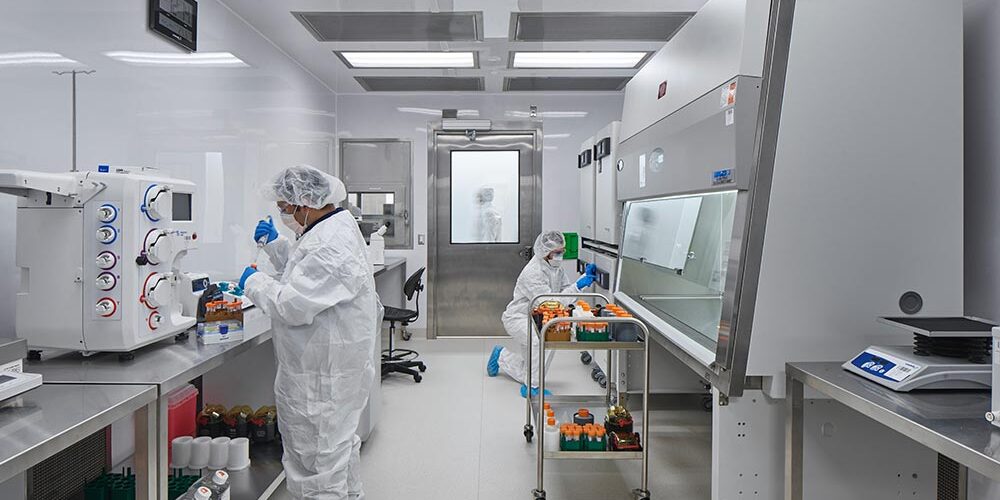
Rare diseases have long occupied one of the most difficult corners of medicine. For millions of patients worldwide, treatment options were limited to symptom management rather than true cures. Today, breakthrough gene therapies are rewriting that reality, offering targeted, long-lasting, and sometimes life-altering solutions for conditions once considered untreatable.
Understanding Rare Diseases and the Treatment Gap
Rare diseases are typically defined as conditions affecting a small percentage of the population. Yet, collectively, they impact over 300 million people globally. Historically, the challenges have included:
-
Limited research funding
-
Small patient populations, making clinical trials difficult
-
Lack of commercial incentives for drug development
As a result, many rare diseases went decades without a single disease-modifying therapy.
What Is Gene Therapy and Why It’s Different
Gene therapy works by addressing disease at its genetic root, rather than treating downstream symptoms. It involves:
-
Replacing faulty genes
-
Repairing mutated DNA
-
Introducing new genetic material to restore normal function
Unlike traditional drugs that require lifelong use, gene therapies often aim for one-time or infrequent treatments with durable effects.
The Science Powering Breakthrough Gene Therapies
Several scientific advances have converged to make modern gene therapy viable:
Viral and Non-Viral Delivery Systems
Engineered viral vectors can safely transport therapeutic genes into target cells, while newer non-viral platforms reduce immune risks and improve precision.
Genome Editing Technologies
Tools like CRISPR-based editing allow scientists to cut, replace, or silence specific DNA sequences, enabling unprecedented accuracy.
Improved Manufacturing and Quality Control
Scalable production methods now ensure consistent, safe, and regulatory-compliant therapies, accelerating clinical adoption.
Real-World Success Stories Changing Lives
One of the most powerful validations of gene therapy lies in its real-world outcomes:
-
Inherited retinal disorders: Some patients who were previously blind have regained functional vision.
-
Spinal muscular atrophy (SMA): Early gene therapy intervention has allowed children to achieve developmental milestones once thought impossible.
-
Rare metabolic disorders: Single-dose therapies now correct enzyme deficiencies at the cellular level.
These cases represent not just incremental improvement, but fundamental disease reversal.
How Gene Therapy Is Transforming the Rare Disease Landscape
Gene therapy is redefining rare disease treatment in several critical ways:
-
From chronic care to potential cures
-
Earlier intervention with long-term benefits
-
Highly personalized treatment approaches
-
Reduced lifetime healthcare burden
For families affected by rare diseases, this shift represents renewed hope and tangible progress.
Economic and Ethical Considerations
Despite its promise, gene therapy introduces complex challenges:
Cost and Access
Many gene therapies come with high upfront costs, reflecting development complexity and small patient populations. Health systems are now exploring value-based pricing and outcome-linked payments.
Long-Term Safety Monitoring
Because genetic changes can be permanent, patients require extended follow-up to track efficacy and unforeseen effects.
Ethical Responsibility
Ensuring equitable access and preventing misuse of genetic technologies remains a central ethical priority.
The Future of Gene Therapy for Rare Diseases
The next generation of gene therapies is already taking shape, with advances such as:
-
In vivo gene editing, performed directly inside the body
-
Improved targeting for tissues like the brain and lungs
-
Combination therapies, integrating gene therapy with RNA or cell-based treatments
As research matures, the boundary between “rare” and “treatable” continues to shrink.
FAQs About Breakthrough Gene Therapies
1. Are gene therapies permanent cures for rare diseases?
Some gene therapies offer long-lasting or permanent benefits, but outcomes vary depending on the disease, delivery method, and patient factors.
2. How safe are modern gene therapies?
Current therapies undergo rigorous testing and regulatory review, with ongoing monitoring to assess long-term safety.
3. Who is eligible for gene therapy?
Eligibility depends on genetic diagnosis, disease stage, age, and overall health, often determined through specialized testing.
4. Why are gene therapies so expensive?
High costs reflect complex research, manufacturing challenges, and small patient populations, though new payment models aim to improve affordability.
5. Can gene therapy be repeated if it doesn’t work?
In some cases, repeat dosing may be limited due to immune responses, making initial treatment planning crucial.
6. How early should gene therapy be given?
Earlier intervention often leads to better outcomes, especially before irreversible tissue damage occurs.
7. Will gene therapy expand beyond rare diseases?
Yes, many technologies developed for rare diseases are now being adapted for more common conditions, including cancer and cardiovascular disorders.
For more information please visit – rheumatology near me

