
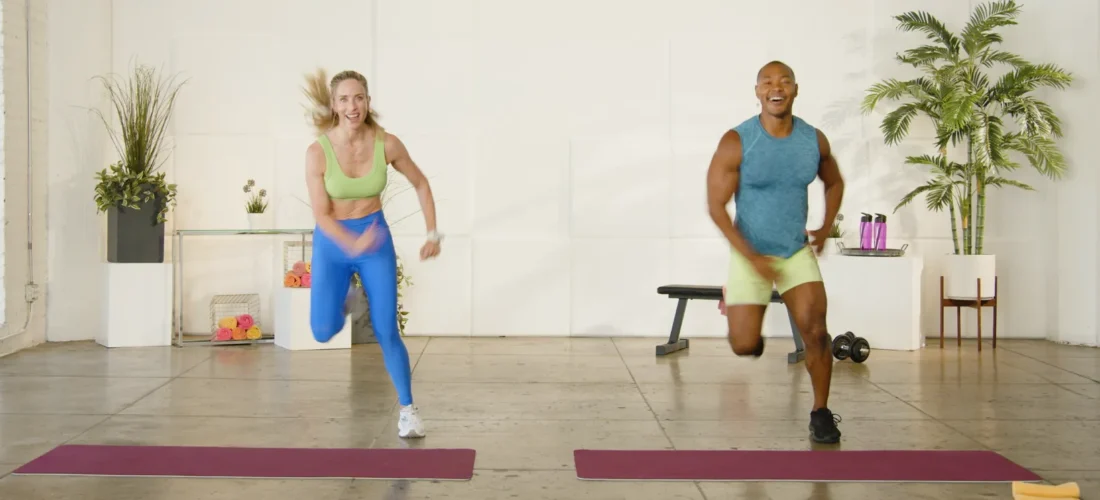
One of the most common misconceptions about high intensity interval training is that you need a large gym, heavy weights, or professional equipment. The truth is that a well-planned hiit training workout can be done effectively in a living room, bedroom, or even a small office space. With smart exercise choices and creative use of bodyweight, HIIT can be adapted to fit limited environments without compromising intensity or results.
Why Small-Space HIIT Works
HIIT is not about how much space you have but about how efficiently you use your time and energy. The short bursts of effort and structured rest periods make it possible to achieve the same benefits in a confined area that you would in a large gym. Key advantages of small-space HIIT include:
-
Accessibility: No need to travel to a fitness facility.
-
Affordability: Requires little to no equipment.
-
Time efficiency: Fits easily into a busy schedule.
-
Flexibility: Can be done at home, in a hotel room, or any small indoor area.
These benefits are particularly appealing to urban dwellers in Singapore, where space is often limited.
The Principles of Small-Space HIIT
When training in a confined area, three principles ensure effectiveness:
-
Exercise selection: Choose multi-joint, compound movements that elevate heart rate quickly.
-
Efficient use of time: Stick to structured work-to-rest intervals, such as 30 seconds work, 30 seconds rest.
-
Safety: Prioritise low-impact alternatives to protect joints when space for explosive movement is restricted.
By following these, you can replicate the intensity of gym-based HIIT in a compact environment.
Essential Bodyweight Exercises for Small-Space HIIT
These exercises require little space yet deliver maximum intensity:
-
Squat pulses and jump squats: Build leg power without needing a wide area.
-
Push-ups and push-up variations: Strengthen chest, shoulders, and arms.
-
Mountain climbers: Engage the core while boosting cardiovascular intensity.
-
High knees on the spot: A great substitute for sprints in limited space.
-
Burpees: A full-body conditioning move that requires only a mat-sized area.
-
Plank to shoulder taps: Improves core stability with minimal movement.
Each can be scaled up or down depending on fitness level.
Minimal Equipment Options
Adding small, affordable tools can enhance variety and progression:
-
Resistance bands: Great for squats, rows, and shoulder presses.
-
Dumbbells or kettlebells: Add load to lunges, squats, or overhead presses.
-
Skipping rope: Perfect for cardio in a small outdoor area.
-
Step or sturdy chair: Useful for step-ups, dips, and incline push-ups.
These options do not require a gym and take up very little storage space.
Sample Small-Space HIIT Circuit
Here’s a 20-minute circuit suitable for a living room:
-
30 seconds squat jumps
-
30 seconds rest
-
30 seconds push-ups
-
30 seconds rest
-
30 seconds mountain climbers
-
30 seconds rest
-
30 seconds burpees
-
30 seconds rest
Repeat the circuit 4 times. Adjust intensity by increasing work time or reducing rest as you progress.
Safety Considerations in Limited Spaces
When exercising in small areas, safety is paramount:
-
Clear the floor of obstacles such as rugs, cords, or furniture.
-
Use a mat to reduce slipping and cushion joints.
-
Avoid lateral jumps if space is very tight.
-
Focus on control rather than speed when space is restricted.
Paying attention to these details reduces the risk of accidents during intense training.
How to Progress in Small-Space HIIT
Progression keeps workouts challenging and prevents plateaus. You can progress by:
-
Increasing intensity: Push harder during each interval.
-
Extending work periods: Move from 20 seconds to 40 seconds of effort.
-
Reducing rest: Shorten recovery from 30 seconds to 20 seconds.
-
Adding load: Use resistance bands or dumbbells when bodyweight becomes easier.
-
Changing exercises: Rotate movements to target different muscle groups.
This ensures continued improvement even when training in a confined area.
Benefits Beyond Fitness
Small-space HIIT also supports lifestyle improvements:
-
Convenience: Encourages consistency because you can train anytime.
-
Stress relief: Quick workouts release endorphins, boosting mood.
-
Adaptability: Suitable for travel or unpredictable schedules.
-
Privacy: Allows people who prefer not to train in public to exercise confidently.
For many, these factors make small-space HIIT more sustainable than gym-only routines.
The Role of Professional Guidance
Even in home-based or small-space training, professional input adds value. Instructors can provide safe exercise variations, progression strategies, and accountability. Many fitness centres, including True Fitness Singapore, design structured HIIT classes that can inspire home-based adaptations. This combination of expert programming and personal practice maximises results.
Frequently Asked Questions
Q. Can small-space HIIT be as effective as gym-based HIIT?
A. Yes. As long as you maintain proper intensity, follow structured intervals, and progress over time, you can achieve comparable results without large equipment or space.
Q. How do I stay motivated when working out at home?
A. Set clear goals, use a timer for intervals, and keep workouts short but challenging. Training with a virtual class or accountability partner also boosts consistency.
Q. Is jumping safe in a small apartment?
A. It depends on flooring and noise restrictions. If jumping causes disturbance or risk, substitute with low-impact moves like step-throughs, squats, or fast marching in place.
Q. Can beginners start HIIT at home?
A. Absolutely. Beginners should focus on form, start with lower intensity, and use longer rest periods. Gradual progression ensures safety and long-term success.
Q. How many times per week should I do small-space HIIT?
A. Two to three times per week is ideal. This frequency allows recovery while keeping intensity high enough for measurable results.
