
1. What Singapore’s Free Gym Trial Really Tests (And How to Make It Count)
  2. Not All Thai Massage Is the Same Here’s Why
  3. A Closer Look At Modern Regenerative Care
  4. Transforming Mental Health with Cutting-Edge Neurotherapy Techniques
  5. Health Benefits of Indoor Cycling in Singapore: Why It’s a Top Cardio Choice
  6. Where Technology Meets Luxury in Modern Wellness
  7. The Difference Between Supplying Ingredients and Supporting Products
  8. How Yoga Classes Near Me Reduce Injury Risk From Modern Workouts
  9. Emotional Burnout in Women: Signs, Causes, and Recovery
  10. Simple Ways to Help Kids Build Better Oral Care Habits
  11. Healthy Aging for Men: It’s More Than Just Exercise
  12. A Local’s Take on Finding Reliable Massage Spots in the City
  13. Top 5 Things to do on a Weekend Trip to Jomtien
  14. How Burnout Is Redefining Men’s Health in the Digital Age
  15. Creating a Health-First Mindset in a Fast-Paced World
  16. Emotional Eating Triggers and How to Break the Cycle
  17. Blood Clot Disorders: Diagnosis and Long-Term Treatment Strategies
  18. Designing a Workout Routine That Supports Weight Stability
  19. Autoimmune Diseases Explained: How Treatments Calm an Overactive Immune System
  20. How Epidemiological Studies Are Predicting the Next Health Crisis
  21. Helping Children Navigate Stress in Academic Environments
  22. How Breakthrough Gene Therapies Are Redefining Rare Disease Treatment
  23. The Growing Popularity of Non-Surgical Treatments in Bangkok
  24. How Flexibility Training Can Improve Strength and Stability
  25. Helping Children Maintain Emotional Health During School Transitions
  26. HIIT in Small Spaces: Bringing GRIT HIIT to Your Living Room
  27. Eating for Energy: Foods That Prevent Afternoon Crashes
  28. How Exercise Supports Hormonal Balance Naturally
  29. How to Build a Skincare Routine Around Your Lifestyle, Not Trends
  30. Dietary Needs That Change After 40—and How to Adapt
  31. How Sleep Quality Reflects Directly on Your Skin Health
  32. A Closer Look at DVA Assessments for Veterans
  33. Haze Season Ready: Indoor Cycling for Safer Breathing in Singapore
  34. How Thai Clinics Approach Male Fertility Screening
  35. How Yogalates Singapore Combines Strength and Serenity for the Busy Professional
  36. Essential Features to Look for in a Childbirth Package
  37. Expert Insights on Veteran Assistance Programs in Brisbane
  38. Step-by-Step Guide to Menstrual Health Recommended by Experts
  39. The Benefits of Portion Control Backed by Science
  40. What Experts Say About School Health Tips for Long-Term Success
  41. Common Myths About School Health Tips You Didn’t Know
  42. The Benefits of Menstrual Health That Actually Work
  43. Key Factors That Influence a Healthy Metabolism to Add to Your Routine
  44. Key Factors That Influence Prostate Health Recommended by Experts
  45. Daily Habits for a Healthy Metabolism: Expert Recommendations for Long-Term Well-being
  46. Things to Avoid in Plant-Based Eating: Achieving Real Results with Smart Choices
  47. Advanced Strategies for Research Ethics with Real Results
  48. The Science Behind AI in Healthcare: A New Era of Medical Innovation
  49. How to Add Prostate Health to Your Routine: A Holistic Approach to Well-being
  50. The Science Behind Genetic Disorders: Expert Insights and Understanding
  51. Things to Avoid in Natural Skincare Routines for Long-Term Success
  52. How to Exercise Recovery to Try This Year
  53. Key Factors That Influence Heart Risk Factors That Save Time
  54. The Science Behind Preventive Care for Long-Term Success
  55. Daily Habits for Dietary Fibre: A Path to Long-Term Health Success
  56. A Step-by-Step Guide to Emotional Eating Backed by Science
  57. Advanced Strategies for Nutrition for Athletes: Expert Recommendations for Peak Performance
  58. The Science Behind Daily Wellness Routines with Real Results
  59. Understanding Acne Prevention to Add to Your Routine
  60. Step-by-Step Guide to Telemedicine with Real Results
  61. The Future of Medical Breakthroughs You Didn’t Know
  62. How to Build Emotional Resilience to Try This Year
  63. How Early Cancer Detection Saves Time: A Step-by-Step Approach
  64. What Experts Say About Pre-Workout Nutrition Backed by Science
  65. Step-by-Step Guide to Early Cancer Detection with Real Results
  66. What Experts Say About Balanced Meals with Real Results
  67. Why You Should Consider HIIT Workouts Recommended by Experts
  68. Beginner’s Guide to Hydration Tips to Add to Your Routine
  69. The Science Behind Heart Risk Factors Recommended by Experts
  70. Key Factors That Influence Acne Prevention to Add to Your Routine
  71. Advanced Strategies for Natural Remedies Explained Simply
  72. The Future of Cardio Routines Backed by Science
  73. Why You Should Consider Vaccination Schedules Backed by Science
  74. Top 10 Glowing Skin Secrets to Add to Your Routine
  75. Why You Should Consider Work-Life Balance You Didn’t Know
  76. Things to Avoid in Heart Risk Factors to Add to Your Routine
  77. What Experts Say About Allergy Prevention You Didn’t Know
  78. Step-by-Step Guide to Asthma Care You Didn’t Know
  79. How to Research Ethics Backed by Science
  80. The Future of Exercise Recovery to Add to Your Routine
  81. Understanding the Future of Healthcare: Expert Recommendations
  82. Advanced Strategies for Vaccination Schedules Backed by Science
  83. Why You Should Consider Weight Loss Myths Explained Simply
  84. Things to Avoid in Breast Cancer Awareness to Try This Year
  85. A Beginner’s Guide to Nutrition for Athletes: Fueling Performance and Recovery
  86. What Experts Say About Hormonal Balance: Insights and Recommendations
  87. Common Myths About Postpartum Fitness to Try This Year
Friday, April 24, 2026
  1. What Singapore’s Free Gym Trial Really Tests (And How to Make It Count)
  2. Not All Thai Massage Is the Same Here’s Why
  3. A Closer Look At Modern Regenerative Care
  4. Transforming Mental Health with Cutting-Edge Neurotherapy Techniques
  5. Health Benefits of Indoor Cycling in Singapore: Why It’s a Top Cardio Choice
  6. Where Technology Meets Luxury in Modern Wellness
  7. The Difference Between Supplying Ingredients and Supporting Products
  8. How Yoga Classes Near Me Reduce Injury Risk From Modern Workouts
  9. Emotional Burnout in Women: Signs, Causes, and Recovery
  10. Simple Ways to Help Kids Build Better Oral Care Habits
  11. Healthy Aging for Men: It’s More Than Just Exercise
  12. A Local’s Take on Finding Reliable Massage Spots in the City
  13. Top 5 Things to do on a Weekend Trip to Jomtien
  14. How Burnout Is Redefining Men’s Health in the Digital Age
  15. Creating a Health-First Mindset in a Fast-Paced World
  16. Emotional Eating Triggers and How to Break the Cycle
  17. Blood Clot Disorders: Diagnosis and Long-Term Treatment Strategies
  18. Designing a Workout Routine That Supports Weight Stability
  19. Autoimmune Diseases Explained: How Treatments Calm an Overactive Immune System
  20. How Epidemiological Studies Are Predicting the Next Health Crisis
  21. Helping Children Navigate Stress in Academic Environments
  22. How Breakthrough Gene Therapies Are Redefining Rare Disease Treatment
  23. The Growing Popularity of Non-Surgical Treatments in Bangkok
  24. How Flexibility Training Can Improve Strength and Stability
  25. Helping Children Maintain Emotional Health During School Transitions
  26. HIIT in Small Spaces: Bringing GRIT HIIT to Your Living Room
  27. Eating for Energy: Foods That Prevent Afternoon Crashes
  28. How Exercise Supports Hormonal Balance Naturally
  29. How to Build a Skincare Routine Around Your Lifestyle, Not Trends
  30. Dietary Needs That Change After 40—and How to Adapt
  31. How Sleep Quality Reflects Directly on Your Skin Health
  32. A Closer Look at DVA Assessments for Veterans
  33. Haze Season Ready: Indoor Cycling for Safer Breathing in Singapore
  34. How Thai Clinics Approach Male Fertility Screening
  35. How Yogalates Singapore Combines Strength and Serenity for the Busy Professional
  36. Essential Features to Look for in a Childbirth Package
  37. Expert Insights on Veteran Assistance Programs in Brisbane
  38. Step-by-Step Guide to Menstrual Health Recommended by Experts
  39. The Benefits of Portion Control Backed by Science
  40. What Experts Say About School Health Tips for Long-Term Success
  41. Common Myths About School Health Tips You Didn’t Know
  42. The Benefits of Menstrual Health That Actually Work
  43. Key Factors That Influence a Healthy Metabolism to Add to Your Routine
  44. Key Factors That Influence Prostate Health Recommended by Experts
  45. Daily Habits for a Healthy Metabolism: Expert Recommendations for Long-Term Well-being
  46. Things to Avoid in Plant-Based Eating: Achieving Real Results with Smart Choices
  47. Advanced Strategies for Research Ethics with Real Results
  48. The Science Behind AI in Healthcare: A New Era of Medical Innovation
  49. How to Add Prostate Health to Your Routine: A Holistic Approach to Well-being
  50. The Science Behind Genetic Disorders: Expert Insights and Understanding
  51. Things to Avoid in Natural Skincare Routines for Long-Term Success
  52. How to Exercise Recovery to Try This Year
  53. Key Factors That Influence Heart Risk Factors That Save Time
  54. The Science Behind Preventive Care for Long-Term Success
  55. Daily Habits for Dietary Fibre: A Path to Long-Term Health Success
  56. A Step-by-Step Guide to Emotional Eating Backed by Science
  57. Advanced Strategies for Nutrition for Athletes: Expert Recommendations for Peak Performance
  58. The Science Behind Daily Wellness Routines with Real Results
  59. Understanding Acne Prevention to Add to Your Routine
  60. Step-by-Step Guide to Telemedicine with Real Results
  61. The Future of Medical Breakthroughs You Didn’t Know
  62. How to Build Emotional Resilience to Try This Year
  63. How Early Cancer Detection Saves Time: A Step-by-Step Approach
  64. What Experts Say About Pre-Workout Nutrition Backed by Science
  65. Step-by-Step Guide to Early Cancer Detection with Real Results
  66. What Experts Say About Balanced Meals with Real Results
  67. Why You Should Consider HIIT Workouts Recommended by Experts
  68. Beginner’s Guide to Hydration Tips to Add to Your Routine
  69. The Science Behind Heart Risk Factors Recommended by Experts
  70. Key Factors That Influence Acne Prevention to Add to Your Routine
  71. Advanced Strategies for Natural Remedies Explained Simply
  72. The Future of Cardio Routines Backed by Science
  73. Why You Should Consider Vaccination Schedules Backed by Science
  74. Top 10 Glowing Skin Secrets to Add to Your Routine
  75. Why You Should Consider Work-Life Balance You Didn’t Know
  76. Things to Avoid in Heart Risk Factors to Add to Your Routine
  77. What Experts Say About Allergy Prevention You Didn’t Know
  78. Step-by-Step Guide to Asthma Care You Didn’t Know
  79. How to Research Ethics Backed by Science
  80. The Future of Exercise Recovery to Add to Your Routine
  81. Understanding the Future of Healthcare: Expert Recommendations
  82. Advanced Strategies for Vaccination Schedules Backed by Science
  83. Why You Should Consider Weight Loss Myths Explained Simply
  84. Things to Avoid in Breast Cancer Awareness to Try This Year
  85. A Beginner’s Guide to Nutrition for Athletes: Fueling Performance and Recovery
  86. What Experts Say About Hormonal Balance: Insights and Recommendations
  87. Common Myths About Postpartum Fitness to Try This Year
Haze Season Ready: Indoor Cycling for Safer Breathing in Singapore

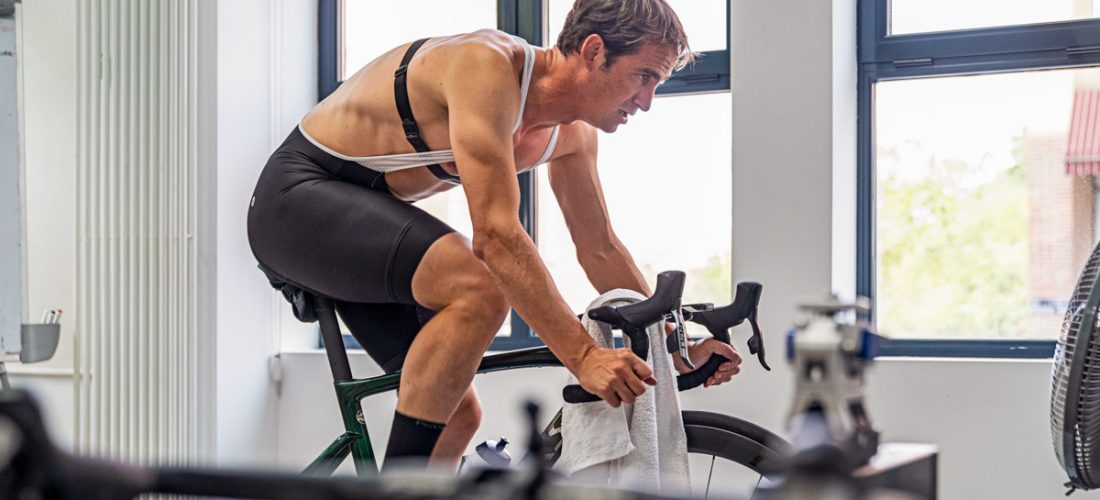
Air quality in Singapore often fluctuates due to transboundary haze, especially during dry seasons. For active individuals, this presents a dilemma: how to keep up with fitness goals without risking respiratory health. This is where indoor cycling Singapore offers a timely solution. By shifting training indoors during haze periods, you can maintain cardiovascular endurance and strength while reducing exposure to pollutants. Still, haze season requires extra precautions to ensure your training remains safe, sustainable, and effective.

Understanding Haze and Its Impact on Fitness

Haze is caused by fine particulate matter (PM2.5) and other pollutants suspended in the air. These particles are small enough to penetrate deep into the lungs and bloodstream. Exercising outdoors during high-haze periods forces you to inhale larger volumes of polluted air, increasing risks of:

  • Respiratory irritation

  • Asthma flare-ups

  • Decreased exercise performance

  • Long-term cardiovascular strain

Indoor cycling allows riders to train in a controlled environment, but air quality within the studio still matters. Poor ventilation or lack of filtration can allow pollutants to accumulate indoors. This makes it essential to understand how to evaluate indoor conditions.

Monitoring Air Quality Index (AQI)

The Pollutant Standards Index (PSI) and PM2.5 levels are the two most relevant indicators in Singapore. Before planning workouts, check government sources or trusted apps for updates. General guidelines are:

  • PSI 0–50: Good, safe for all outdoor activity

  • PSI 51–100: Moderate, acceptable but sensitive individuals should limit exertion outdoors

  • PSI 101–200: Unhealthy, outdoor exercise discouraged

  • PSI above 200: Very unhealthy to hazardous, all strenuous outdoor exercise should be avoided

During “unhealthy” readings, riders are better off training indoors. Studios should maintain proper ventilation and, where possible, air purifiers with HEPA filters to improve air quality.

How Indoor Cycling Helps During Haze

Indoor cycling offers more than just shelter from pollution. It provides structured training options that can be adapted to the challenges of haze season.

  • Consistency: Riders maintain fitness routines despite outdoor limitations.

  • Safety: Less inhalation of pollutants compared to outdoor running or cycling.

  • Community: Group classes keep morale high during seasons when outdoor sports participation drops.

  • Controlled intensity: Riders can adjust resistance, cadence, and effort based on how they feel rather than battling environmental stress.

Studio Ventilation and Air Filtration

Indoor cycling spaces vary, and not all are equally prepared for haze season. Riders should look for certain standards:

  • Air purifiers: HEPA filters are best for capturing fine particles.

  • Fresh air intake: Recirculated air alone is not enough. Proper HVAC systems bring in filtered outdoor air.

  • Humidity management: Excess moisture worsens respiratory discomfort. Dehumidifiers help keep the room breathable.

  • Carbon filters: Useful for reducing odours and chemical pollutants.

Riders can politely ask studios about these systems, especially during prolonged haze.

Pre-Workout Precautions

Even with indoor training, riders can take steps to minimise risk.

  • Check AQI before heading out. If air quality worsens rapidly, consider rescheduling.

  • Hydrate more than usual, as haze exposure can dry the respiratory tract.

  • Use a mask en route to the studio if haze is thick outdoors.

  • Warm up gently, as respiratory systems may already feel irritated.

Training Adjustments During Haze Season

Not all workouts are equally suitable when air quality is compromised. High-intensity intervals may place too much strain on the lungs. Instead, try:

  • Moderate endurance rides: 40–60 minutes at controlled effort.

  • Cadence drills: Low-resistance spinning at higher cadences to focus on technique.

  • Short intervals with recovery: Keeps intensity manageable without overloading the respiratory system.

  • Strength focus: Add controlled resistance climbs to build muscular endurance without prolonged heavy breathing.

Recovery and Post-Ride Care

Haze exposure can irritate airways even indoors, especially when entering and leaving the studio. Recovery habits should account for this.

  • Cool down gradually, keeping breathing controlled.

  • Rinse face and nasal passages post-ride to clear pollutants.

  • Shower promptly to remove particles from skin and hair.

  • Prioritise sleep, as respiratory recovery is improved with good rest.

Special Considerations for Sensitive Riders

Those with asthma, allergies, or other respiratory conditions must be especially cautious. A few extra steps can help:

  • Keep inhalers handy during sessions.

  • Choose studios that disclose their air quality measures.

  • Limit intensity and prioritise duration over maximum effort.

  • Avoid late-night classes when outdoor haze often worsens.

Building Long-Term Resilience

While haze seasons may disrupt routines, they can also be opportunities to build resilience. Riders who consistently use indoor cycling to maintain cardiovascular health are better prepared when outdoor conditions improve again. Over time, structured indoor training develops stronger lungs, better endurance, and improved discipline.

Joining structured programmes with professional instructors at TFX Singapore helps ensure riders train safely, even during unpredictable haze periods.

FAQs

Q. Should I skip exercise completely on days when haze levels are high?
A. No, but it is important to shift indoors and modify intensity. Indoor cycling provides a safe way to keep active without exposing yourself to excessive pollutants.

Q. Do masks help during indoor cycling classes?
A. Masks are not recommended during cycling itself, as they restrict breathing. They are useful when commuting to and from the studio during haze season.

Q. What type of air purifier is best for indoor cycling studios?
A. HEPA filters are most effective at trapping PM2.5 particles. Activated carbon filters add another layer of protection against odours and chemical pollutants.

Q. Can haze trigger dehydration?
A. Yes, haze exposure can dry the airways and increase fluid loss through breathing. Hydrating before and after sessions is crucial.

Q. Is indoor cycling safe for children or teenagers during haze?
A. Yes, but sessions should be shorter and intensity lower than adult classes. Studios with strong air quality measures are preferable.

Q. Should I take supplements to protect my lungs during haze?
A. Antioxidant-rich foods like fruits and vegetables may help reduce oxidative stress, but no supplement replaces proper ventilation and hydration.

Q. Does haze affect heart rate in training?
A. Yes, pollutants can slightly increase resting heart rate and perceived exertion. Monitor your heart rate zones carefully and reduce load if you notice unusual spikes.

Q. How soon after haze clears can I resume outdoor cycling?
A. Once PSI drops below 100 consistently, most riders can return outdoors. Start with shorter sessions before building back to full outdoor training volume.